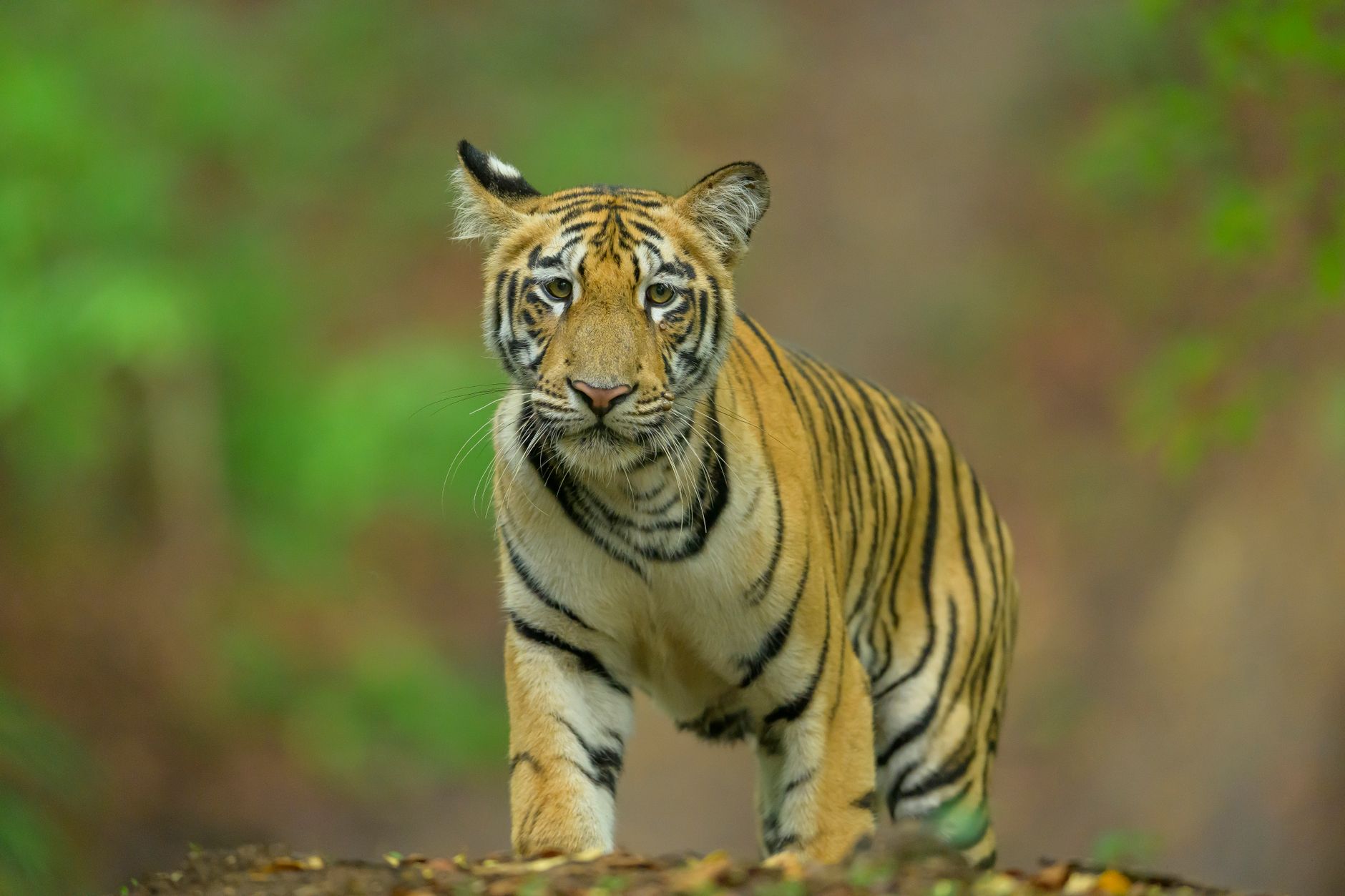
Indian big cats are making headlines as they beat the odds in global wildlife numbers. This remarkable resilience highlights the importance of conservation efforts.
Overview of Indian Big Cats
The Indian big cats, which include the majestic Bengal tiger, the elusive leopard, and the rare Asiatic lion, have become symbols of India’s rich biodiversity. These iconic species play a crucial role in maintaining the ecological balance within their habitats. Despite facing numerous challenges, Indian big cats have shown remarkable resilience and adaptability.
According to recent reports, the population of these magnificent creatures has begun to recover, thanks in part to concerted conservation efforts. Key factors contributing to their resurgence include:
- Conservation Initiatives: Government-led programs aimed at protecting habitats and reducing human-animal conflict.
- Community Engagement: Involvement of local communities in conservation practices, which has fostered a sense of ownership and responsibility.
- Anti-Poaching Measures: Enhanced enforcement against poaching and illegal wildlife trade, resulting in safer environments for these big cats.
Moreover, the Indian big cats are not just vital from an ecological standpoint; they also contribute significantly to the economy through eco-tourism. As tourists flock to national parks to catch a glimpse of these magnificent animals, the local economies thrive.
As the world continues to address the challenges of wildlife conservation, the success story of Indian big cats serves as a beacon of hope, showcasing the potential for recovery when dedicated efforts are made.
Current Global Wildlife Statistics
Recent data reveals significant trends in global wildlife statistics, highlighting the resilience of Indian big cats. According to the latest reports, these majestic creatures have shown remarkable population stability in the face of increasing environmental challenges.
The International Union for Conservation of Nature (IUCN) reported that the global population of big cats, including tigers and leopards, has seen fluctuations, yet Indian big cats have managed to defy this trend. The following points summarize the current statistics:
- Tigers: The population of tigers in India has increased to approximately 2,967, representing nearly 70% of the world’s wild tiger population.
- Leopards: Recent estimates indicate that India is home to about 12,000 leopards, which is a significant growth from previous years.
- Conservation Efforts: Continuous conservation initiatives have played a critical role in enhancing the habitats and safety of these species, showcasing a successful model for wildlife protection.
- Diverse Ecosystems: Indian big cats thrive in diverse ecosystems, ranging from the Himalayan foothills to the dense forests of the Western Ghats.
These statistics not only emphasize the importance of Indian big cats in global biodiversity but also reflect the successful conservation efforts that have resulted in their population resurgence.
Conservation Efforts in India
India is home to a diverse range of ecosystems that provide a vital habitat for its magnificent big cats, including the Bengal tiger and the Asiatic lion. Conservation efforts in India have become paramount in ensuring the survival of these species and maintaining biodiversity.
One of the most significant initiatives has been the establishment of protected areas and national parks, which serve as sanctuaries for Indian big cats. Key programs include:
- Tiger Reserves: The National Tiger Conservation Authority (NTCA) has designated over 50 tiger reserves across the country, promoting sustainable practices and habitat preservation.
- Community Involvement: Local communities are engaged in conservation efforts through awareness programs and eco-tourism initiatives, helping to reduce human-wildlife conflict.
- Research and Monitoring: Regular population assessments and tracking of big cats through technology have improved our understanding of their behavior and habitat needs.
Moreover, international collaborations are enhancing the scope of conservation. Organizations and governments are working together to share knowledge and resources, ensuring that Indian big cats receive the global attention they deserve. These efforts not only protect the cats but also contribute to the overall health of the ecosystems they inhabit, showcasing India’s commitment to wildlife conservation.
Challenges Facing Big Cats
The survival of Indian big cats is increasingly threatened by a range of challenges that hinder their population growth and conservation efforts. These majestic animals, which include tigers, leopards, and lions, face numerous obstacles in their natural habitats.
One of the primary challenges is habitat loss due to human encroachment. Expansion of urban areas, agriculture, and infrastructure development significantly reduces the space available for these big cats to roam and hunt.
Additionally, poaching remains a critical issue. Despite stringent laws and conservation efforts, illegal hunting for fur and body parts continues to pose a severe threat to their populations.
Furthermore, human-wildlife conflict is on the rise as big cats venture into human settlements in search of food. This often leads to retaliatory killings by farmers and local communities.
Another significant challenge is the decrease in prey availability. Overhunting of herbivores, which are vital for the sustenance of big cats, disrupts the ecological balance and threatens their survival.
To combat these challenges, concerted efforts from the government, NGOs, and local communities are essential. Education and awareness programs can help mitigate human-wildlife conflict and foster a culture of coexistence, ensuring a future for Indian big cats.
Success Stories in Wildlife Preservation
In recent years, there have been numerous success stories highlighting the resilience of Indian big cats and their significance in global wildlife preservation efforts. These majestic creatures, which include the Bengal tiger and the Asiatic lion, have become symbols of conservation triumphs that inspire hope worldwide.
One notable success is the remarkable recovery of the Bengal tiger population. Through a combination of habitat protection, anti-poaching initiatives, and community involvement, the population has seen a substantial increase. As of the latest census, India boasts over 2,000 Bengal tigers, a figure that underscores the effectiveness of targeted conservation strategies.
Similarly, the Asiatic lion, once on the brink of extinction, has made a remarkable comeback in the Gir Forest National Park. The population of these lions has grown from just a few dozen in the early 20th century to over 600 today. This resurgence is a testament to the dedication of wildlife organizations and the Indian government to create safe havens for these iconic species.
In addition to these individual successes, there is a broader movement towards recognizing the interconnectedness of ecosystems. As Indian big cats thrive, they play a crucial role in maintaining the balance of their habitats, promoting biodiversity and ecological health.
These success stories not only celebrate the Indian big cats but also inspire global initiatives aimed at preserving wildlife in various regions around the world.
Future of Indian Big Cats
The future of Indian big cats appears promising, thanks to ongoing conservation efforts and increased awareness among local communities. With dedicated initiatives aimed at habitat preservation and anti-poaching measures, the population of these majestic creatures is gradually stabilizing. Experts believe that with continued commitment, the numbers of big cats in India could rise significantly in the coming years.
One of the key factors in ensuring the success of these efforts is the engagement of local communities. By involving residents in conservation activities, the potential for human-wildlife conflict can be minimized. This collaborative approach not only fosters a sense of ownership among locals but also promotes sustainable practices that benefit both people and wildlife.
Additionally, advancements in technology, such as camera traps and drone surveillance, have significantly improved monitoring efforts. These tools allow conservationists to gather valuable data on big cat populations and their habitats, facilitating more informed decision-making.
However, challenges remain, including habitat loss and climate change. It is crucial to address these issues proactively to secure a future where Indian big cats thrive. Conservationists are optimistic, believing that with concerted efforts, Indian big cats can not only survive but flourish, reinforcing their status as integral players in the global wildlife narrative.
Photo by Munna Mandalapu on Pexels
One thought on “Indian Big Cats Prove Worth in Global Wildlife Numbers”