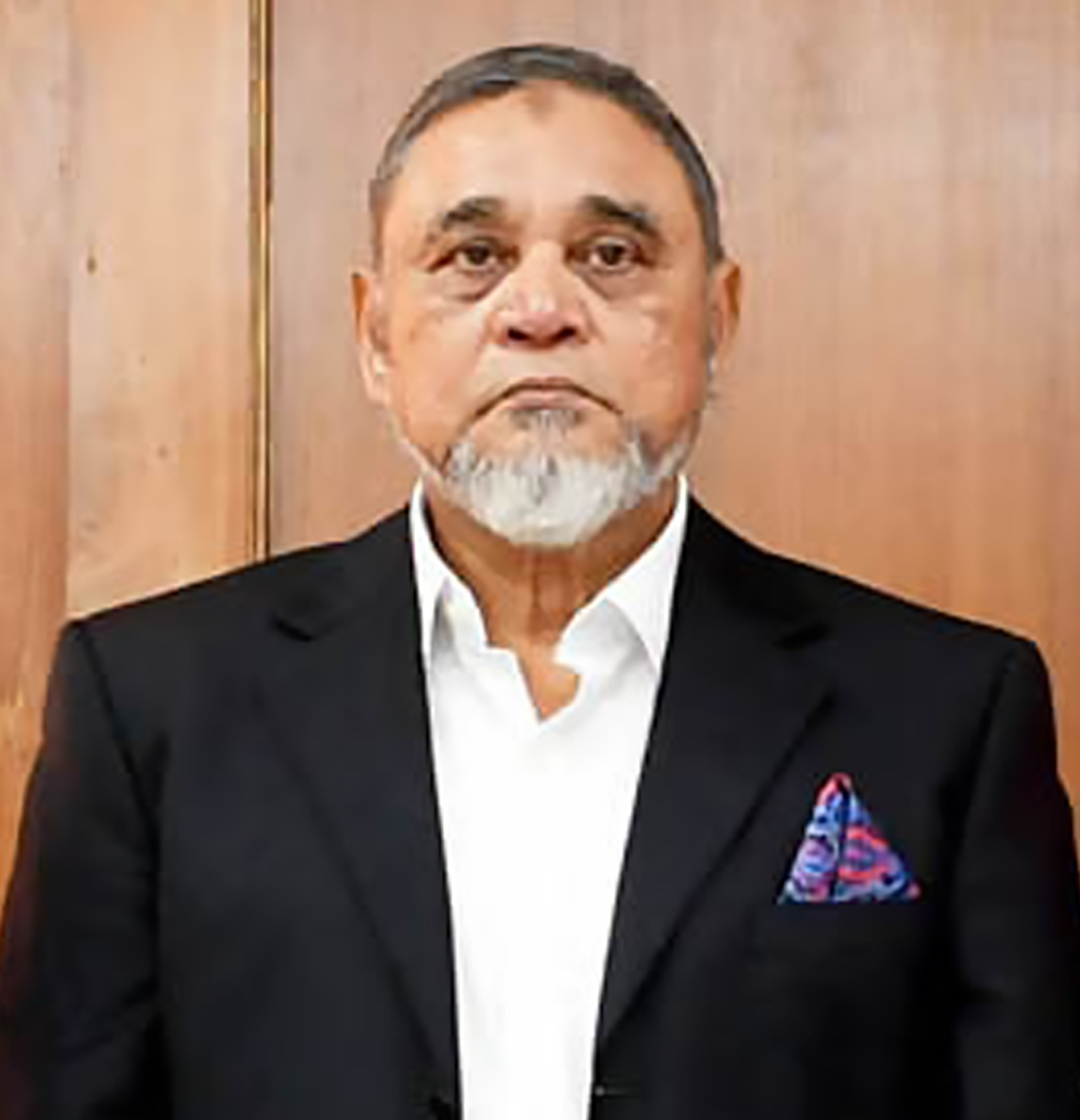
Chief Election Commissioner Gyanesh Kumar is facing scrutiny as tensions rise between the BJP and the Opposition during the SIR showdown.
Background on Gyanesh Kumar
Gyanesh Kumar, the current Chief Election Commissioner, has been in the spotlight recently due to the ongoing tensions between the Bharatiya Janata Party (BJP) and opposition parties in India. Appointed to the position, Kumar has taken on the crucial responsibility of overseeing elections in the world’s largest democracy. His tenure has not been without challenges, as he navigates the complexities of political rivalries and electoral integrity.
Kumar brings with him a wealth of experience in public administration, having served in various capacities within the Indian government. His previous roles have equipped him with a deep understanding of the electoral process and the importance of maintaining transparency and fairness. However, critics argue that his impartiality is being tested amid the current political climate.
There are several key factors that contribute to the ongoing debate about his suitability as Chief Election Commissioner:
- Political Pressure: The influence of major political parties can affect the independence of the Election Commission.
- Public Perception: Trust in the electoral process is vital, and any perceived bias can undermine this trust.
- Electoral Reforms: The need for reforms in the electoral system is a pressing issue that Kumar must address.
As the nation heads towards crucial elections, the performance of Gyanesh Kumar as Chief Election Commissioner will undoubtedly be closely scrutinized.
Current Political Climate
The current political climate in India is characterized by intense rivalry between the ruling BJP and the opposition parties, significantly impacting the role of the Chief Election Commissioner, Gyanesh Kumar. This heightened tension has been exacerbated by a recent showdown concerning the Electoral Commission’s integrity and its role in the upcoming elections.
With the BJP facing mounting criticisms over its governance, opposition parties are increasingly vocal about their concerns regarding the fairness of the electoral process. The situation has led to numerous accusations against the government, asserting that it is attempting to manipulate the electoral framework to maintain its hold on power.
Key issues in this political landscape include:
- Allegations of Bias: Opposition leaders argue that the current administration’s influence over the Election Commission raises questions about the impartiality of the Chief Election Commissioner.
- Public Trust: The confidence of the electorate in the electoral system is crucial, and any perceived lack of neutrality could have significant ramifications for voter turnout.
- Future Elections: As the nation gears up for the next general elections, the role of the Chief Election Commissioner will be under scrutiny, with many wondering if Gyanesh Kumar can uphold the integrity of the electoral process amidst growing political discord.
In this challenging environment, the effectiveness of Gyanesh Kumar as the Chief Election Commissioner remains a topic of heated debate within political circles.
BJP and Opposition Dynamics
The appointment of Chief Election Commissioner Gyanesh Kumar has become a focal point in the ongoing tug-of-war between the BJP and the opposition parties. As the electoral landscape shifts, both sides are increasingly scrutinizing his role and decisions, creating a tense atmosphere leading up to the upcoming elections.
The BJP, confident in its governance and electoral strategies, views Gyanesh Kumar as a pivotal figure capable of ensuring free and fair elections. They argue that his extensive experience in the electoral process qualifies him to manage the challenges that lie ahead. However, they also face accusations from the opposition regarding potential biases, raising questions about his impartiality.
On the other hand, the opposition parties have raised concerns about the Chief Election Commissioner’s past decisions, suggesting that they indicate a favorable tilt towards the ruling party. They believe that Gyanesh Kumar’s leadership could compromise the integrity of the electoral process, which is crucial for a healthy democracy.
- The BJP highlights Kumar’s administrative skills and commitment to transparency.
- Opposition claims suggest possible conflicts of interest in his past roles.
- Both sides prepare for a fierce battle over the narrative surrounding his position.
As the political dynamics evolve, the role of the Chief Election Commissioner will be crucial in determining the election’s outcome and the public’s trust in the electoral system.
The Role of the Election Commission
The Election Commission of India plays a crucial role in upholding the democratic process of the country. It is responsible for administering free and fair elections, ensuring that the electoral process is conducted in a transparent and impartial manner. The significance of this body is amplified during times of political tension, as seen in the current climate where the Chief Election Commissioner, Gyanesh Kumar, finds himself in the spotlight.
The primary duties of the Election Commission include:
- Voter Registration: Ensuring that eligible citizens can register to vote and maintaining the integrity of voter lists.
- Conducting Elections: Overseeing the entire electoral process, from the announcement of elections to the declaration of results.
- Monitoring Political Campaigns: Enforcing rules regarding campaign financing and ensuring that all parties adhere to the established guidelines.
- Addressing Complaints: Investigating and resolving disputes related to electoral practices and violations.
As the Chief Election Commissioner, Gyanesh Kumar’s decisions and leadership will significantly influence how these responsibilities are carried out, especially in the face of increasing scrutiny from both the BJP and opposition parties. His ability to maintain impartiality and uphold the integrity of the electoral process is paramount in this politically charged atmosphere.
Public Opinion on Gyanesh Kumar
The appointment of Chief Election Commissioner Gyanesh Kumar has stirred significant public debate, reflecting a divided opinion among citizens and political analysts alike. Many view his role as crucial during this politically charged period, while others express skepticism regarding his impartiality.
Supporters argue that Gyanesh Kumar brings a wealth of experience to the position, emphasizing his previous roles in the Election Commission. They believe his leadership will ensure a transparent and fair electoral process. According to a recent survey, approximately 65% of respondents expressed confidence in his ability to manage upcoming elections effectively.
Conversely, critics raise concerns about the potential biases stemming from his previous affiliations. They worry that political pressures from major parties, particularly the BJP, could influence his decisions. A notable political analyst stated, “Gyanesh Kumar’s actions will be under constant scrutiny, and any perceived favoritism could undermine the credibility of the Election Commission.” Many citizens echo this sentiment, fearing that the integrity of the electoral process may be compromised.
In light of these opinions, it is evident that the public remains watchful of Gyanesh Kumar’s tenure as Chief Election Commissioner. As the nation approaches critical elections, the outcomes of his decisions will likely have far-reaching implications for Indian democracy.
Recent Developments in the Showdown
Recent developments surrounding the Chief Election Commissioner, Gyanesh Kumar, have intensified amid a growing confrontation between the BJP and opposition parties. As the political landscape evolves, tensions have escalated, leading to accusations and counterclaims regarding the integrity of the electoral process in India.
In a recent press conference, BJP leaders expressed their support for Gyanesh Kumar, highlighting his experience and commitment to upholding the democratic process. They argue that he has demonstrated impartiality and professionalism, essential qualities for the Chief Election Commissioner. On the other hand, opposition parties have raised concerns about potential biases, questioning whether Kumar can ensure fair elections in a highly polarized environment.
The Election Commission, under Kumar’s leadership, is now tasked with navigating these turbulent waters. With state elections approaching, the stakes are high, and both sides are closely monitoring the commission’s actions. An upcoming meeting between election officials and political leaders is anticipated, which may serve as a platform for discussion on electoral integrity and transparency.
Public sentiment appears divided, with many citizens expressing uncertainty about the efficacy of the electoral process. As the showdown continues, all eyes remain on Gyanesh Kumar to see how he will address these challenges and maintain the credibility of the Chief Election Commissioner’s office.
Implications for Future Elections
The appointment of Chief Election Commissioner Gyanesh Kumar comes with significant implications for future elections in India. As the country prepares for upcoming state and national polls, his leadership will play a crucial role in ensuring a free and fair electoral process. With a backdrop of increased political tensions, the decisions made by Kumar and the Election Commission will be scrutinized closely.
One immediate concern is the perception of impartiality. The ongoing tension between the BJP and opposition parties has raised questions about whether Kumar can maintain neutrality. If he is seen as favoring one side, it could undermine public trust in the electoral process. This situation could lead to protests and calls for reforms within the Election Commission, possibly affecting voter turnout and overall election integrity.
Moreover, Kumar’s approach to new technologies in voting and counting processes will be critical. As innovations like Electronic Voting Machines (EVMs) and Voter Verified Paper Audit Trails (VVPATs) evolve, the Chief Election Commissioner must ensure their implementation is transparent and secure.
Additionally, the handling of complaints and disputes will signal how the Election Commission under Kumar addresses the challenges posed by a politically charged environment. His decisions could set precedents for future electoral conduct and define the role of the Election Commission in maintaining democracy.
Expert Analysis on Election Integrity
As the political landscape in India continues to evolve, experts are closely examining the implications of Gyanesh Kumar’s appointment as Chief Election Commissioner. The integrity of elections is paramount, and many analysts believe that the effectiveness of the Election Commission hinges on its leadership.
Dr. Anjali Mehta, a political scientist, asserts that the Chief Election Commissioner plays a crucial role in maintaining public trust in the electoral process. She notes that “an independent and fair Election Commission is essential for democracy, and Gyanesh Kumar’s track record will be under scrutiny.” According to her, the Commission’s ability to navigate the current political tensions between the BJP and the opposition could either bolster or undermine voter confidence.
Additionally, Mr. Ravi Joshi, an election analyst, emphasizes the necessity for transparency in the Commission’s operations. “Gyanesh Kumar must ensure that all election processes are conducted without bias,” he states. He highlights the challenges posed by the ongoing SIR (Systematic Voter’s Identity Verification) showdown, which could complicate the Commission’s mandate.
As experts weigh the potential outcomes of Kumar’s leadership, the consensus is clear: the Chief Election Commissioner must prioritize election integrity to uphold the democratic values enshrined in the Indian Constitution. The future of electoral trust may very well rest on his shoulders.
By DelwarHossain via Openverse


One thought on “Is the Chief Election Commissioner Gyanesh Kumar the Right Choice?”