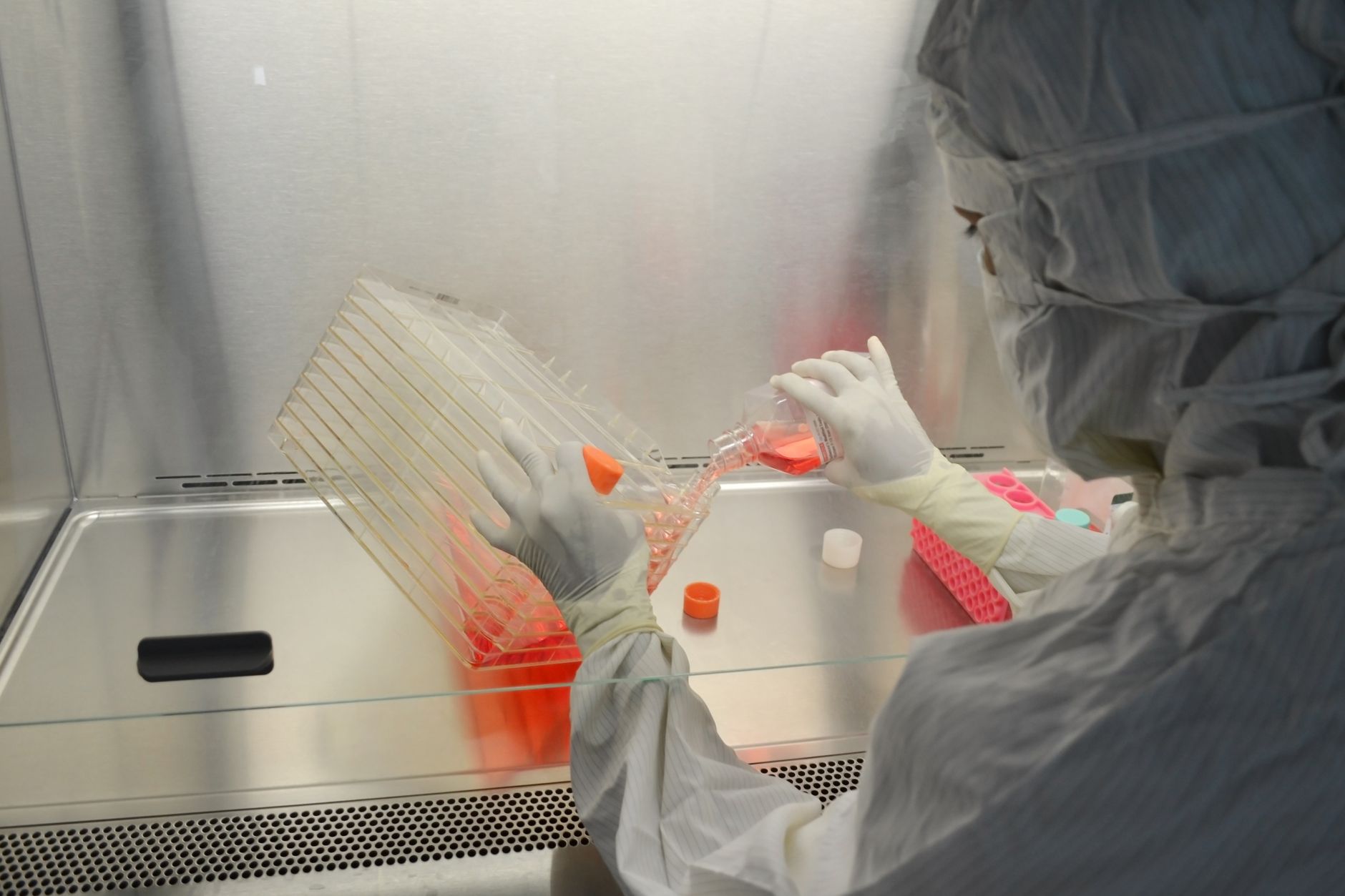
gene rejuvenation therapy is a groundbreaking approach that aims to reverse age-related changes while preserving cell identity. This innovative technique could reshape our understanding of aging and cellular health.
What is Gene Rejuvenation Therapy?
Gene rejuvenation therapy is an innovative approach aimed at reversing the effects of aging on cellular function and overall health. This cutting-edge technique utilizes genetic modifications to enhance the regenerative capacity of cells, potentially restoring youthful characteristics and improving longevity.
The therapy operates by targeting specific genes that play crucial roles in cellular aging. By reprogramming these genes, researchers aim to rejuvenate aged cells while preserving their identity. This unique aspect sets gene rejuvenation therapy apart from traditional methods that may disrupt cellular function.
Recent studies have shown promising results, indicating that gene rejuvenation therapy could lead to significant improvements in various age-related conditions. The potential benefits include:
- Enhanced cellular repair: By promoting cellular regeneration, this therapy may help repair damage caused by aging.
- Improved metabolic function: Rejuvenation at the genetic level can lead to better energy production and metabolic processes.
- Increased lifespan: With successful application, gene rejuvenation therapy has the potential to extend healthy lifespan.
As researchers continue to explore the possibilities of gene rejuvenation therapy, the implications for anti-aging treatments could be groundbreaking, offering new hope for those seeking to mitigate the effects of aging.
How Does Gene Rejuvenation Work?
Gene rejuvenation therapy operates on the premise that aging at the cellular level can be reversed by altering the expression of specific genes. This innovative approach aims to restore the youthful functionality of cells, thereby potentially reversing age-related decline in various tissues.
The mechanism behind gene rejuvenation involves several key processes:
- Gene Editing: Techniques such as CRISPR may be employed to modify genes associated with aging. By precisely targeting and altering these genes, researchers can enhance cellular repair processes.
- Cell Reprogramming: Scientists can use methods to induce pluripotency in somatic cells, allowing them to revert to a more youthful state. This reprogramming can rejuvenate the cells’ functions and extend their lifespan.
- Epigenetic Modifications: Gene rejuvenation therapy may include changing the epigenetic markers that dictate gene expression. This can lead to a more youthful cellular behavior without altering the DNA sequence itself.
- Stem Cell Therapy: Integrating stem cells into the therapy can provide a source of new, healthy cells that can replace damaged or aged cells in tissues.
Overall, gene rejuvenation therapy holds the promise of not just halting aging but potentially reversing its effects by targeting the underlying genetic factors that contribute to cellular decline.
Benefits of Gene Rejuvenation Therapy
Gene rejuvenation therapy offers a range of potential benefits that could significantly impact the future of aging and healthcare. One of the most notable advantages is its ability to preserve cell identity while effectively reversing the signs of aging. This preservation is crucial, as it allows cells to maintain their specific functions while rejuvenating their overall health and vitality.
Additionally, gene rejuvenation therapy targets the underlying mechanisms of aging, rather than merely addressing the symptoms. By modifying gene expression and cellular processes, this innovative approach has the potential to:
- Enhance cellular repair mechanisms: By boosting the body’s natural ability to repair damaged cells, gene rejuvenation therapy can improve overall health and longevity.
- Reduce age-related diseases: This therapy may decrease the incidence of common aging-related conditions, such as heart disease, diabetes, and neurodegenerative disorders.
- Improve physical and cognitive function: Individuals undergoing gene rejuvenation may experience enhanced muscle strength, cognitive clarity, and overall vitality.
- Promote healthier aging: By targeting the cellular aging process, gene rejuvenation therapy could lead to a more vibrant and active lifestyle in older adults.
As research progresses, these benefits may position gene rejuvenation therapy as a leading contender in the quest to reverse aging and promote a healthier future.
Current Research on Aging
Current research on aging has revealed promising advancements in the field of gene rejuvenation therapy. Studies have indicated that this innovative approach may hold the key to not only halting the aging process but also potentially reversing its effects on cellular function.
Recent investigations have focused on understanding the mechanisms behind aging at the genetic level. Researchers have identified specific genes that play a significant role in cellular aging and have begun to explore how modifying these genes can rejuvenate cells. Some of the main findings in this area include:
- Cell Identity Preservation: New techniques in gene rejuvenation therapy aim to maintain the identity of cells while simultaneously reversing age-related changes, allowing them to function more effectively.
- Restoration of Function: Early trials have shown that cells treated with gene rejuvenation therapy exhibit improved metabolic function and increased resistance to stress, which are crucial for longevity.
- Potential for Broader Applications: Researchers are optimistic that the results from these studies could lead to therapies applicable not just in aging, but also in age-related diseases.
As investigations continue, the potential of gene rejuvenation therapy as a viable method for reversing aging is becoming increasingly evident, highlighting a transformative era in biomedical research.
Potential Risks and Concerns
As interest in gene rejuvenation therapy grows, it is essential to consider the potential risks and concerns associated with these innovative treatments. While the promise of reversing aging is enticing, scientists and medical professionals urge caution.
One major concern is the long-term effects of gene manipulation. Altering genetic material can lead to unforeseen consequences, such as:
- Unexpected mutations: Changing genes may inadvertently cause genetic instability, leading to conditions such as cancer.
- Immune responses: The body may react negatively to introduced genes or vectors, leading to severe allergic reactions or autoimmune disorders.
- Ethical implications: Manipulating human genes raises ethical questions about consent, especially in cases where the therapy might be applied to embryos or future generations.
Additionally, the accessibility of gene rejuvenation therapy could create disparities in healthcare. Only affluent individuals may afford such treatments, potentially widening the gap between socioeconomic classes.
Furthermore, the regulatory landscape for gene therapies is still evolving, which may result in inconsistent standards and practices. As ongoing research aims to refine gene rejuvenation therapy, it is crucial to weigh these risks against the potential benefits for reversing aging.
Future of Gene Therapy
The future of gene rejuvenation therapy holds promising possibilities as advancements in genetic engineering and biotechnology continue to evolve. Researchers are increasingly focused on refining techniques that could enhance the effectiveness of these therapies, potentially leading to breakthroughs in age-related diseases and overall longevity.
One of the most exciting developments in this field is the ability to preserve cell identity while simultaneously reversing age-related changes. This approach aims to maintain the essential functions of cells while rejuvenating them, allowing for healthier, more resilient cells that could significantly improve the quality of life as we age.
As clinical trials progress, scientists are optimistic about the potential applications of gene rejuvenation therapy in treating conditions such as neurodegeneration, cardiovascular diseases, and other age-related ailments. The integration of artificial intelligence and machine learning in analyzing genetic data is expected to accelerate the discovery of new therapeutic targets and enhance personalization in treatment.
However, challenges remain, particularly regarding ethical considerations and long-term effects. Ongoing discussions about regulatory frameworks and public perception will shape the implementation of gene rejuvenation therapies. With continued research and dialogue, the future could see these therapies becoming a standard part of age management, revolutionizing how society approaches aging and health.
Expert Opinions on Rejuvenation Techniques
Experts in the field of regenerative medicine have weighed in on the efficacy and potential of gene rejuvenation therapy. Dr. Emily Carter, a leading researcher in aging, emphasizes that this innovative approach could offer transformative benefits for age-related decline. She states, “Gene rejuvenation therapy has the potential to not only slow down the aging process but also to reverse some of its effects at the cellular level.”
Furthermore, Dr. John Liu, a geneticist with extensive experience in gene therapy, highlights the importance of maintaining cell identity during treatment. “Our recent findings suggest that novel gene rejuvenation therapies can preserve essential cellular functions while simultaneously reversing age-related changes,” he notes. This insight has generated excitement within the scientific community as it may lead to more effective interventions.
However, not all experts are entirely optimistic. Dr. Sarah Patel, a bioethicist, raises concerns about the long-term implications of such therapies. “The excitement around gene rejuvenation therapy must be tempered with careful consideration of ethical and societal impacts,” she cautions.
As research progresses, the consensus among experts is that while gene rejuvenation therapy holds promise, it is crucial to approach its application with thorough scrutiny and an understanding of its potential risks.
Photo by Satheesh Sankaran on Pexels
One thought on “Is Gene Rejuvenation Therapy the Best Way to Reverse Aging?”