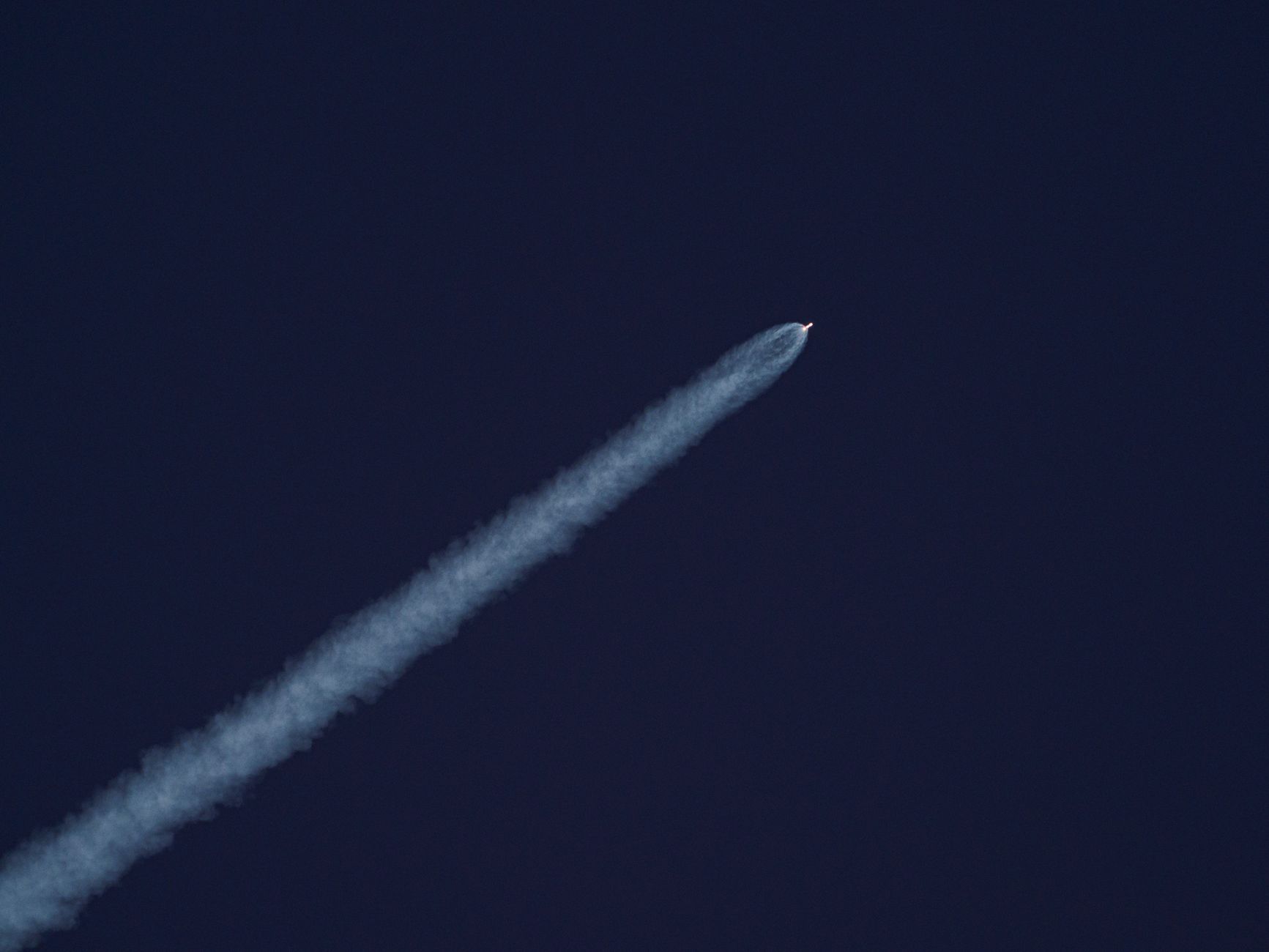
Starlink India launch has been highly anticipated, but the delay has left many wondering what is causing Elon Musk to wait. This article explores the reasons behind the postponement and its implications.
Overview of Starlink India Launch
The highly anticipated Starlink India launch has sparked considerable interest among tech enthusiasts and potential users across the country. Initially expected to commence in 2021, the rollout has faced multiple delays, leaving many to wonder about the reasons behind this setback.
Starlink, a satellite internet constellation being developed by SpaceX, aims to provide high-speed internet access to underserved and remote areas. India, with its vast population and diverse geography, presents a significant opportunity for the service. However, regulatory hurdles and the need for approvals from Indian authorities have contributed to the postponement.
Several factors play a role in the delay, including:
- Regulatory Approvals: Starlink requires licenses to operate and provide internet services in India.
- Competition: The Indian market is highly competitive, with established players pushing back against new entrants.
- Infrastructure Challenges: The need to ensure reliable service across varied terrains poses logistical challenges.
As SpaceX navigates these complexities, many eagerly await the eventual Starlink India launch, hoping it will bridge the digital divide in the country.
Reasons Behind the Delay
The anticipated Starlink India launch has faced several hurdles, leading to speculation about the reasons behind the delay. Industry experts have highlighted various factors contributing to this setback.
- Regulatory Challenges: One of the primary reasons for the delay is the complex regulatory environment in India. The government has stringent requirements for satellite internet services, which Starlink must navigate.
- Infrastructure Development: Building the necessary infrastructure to support Starlink’s operations in India is a significant undertaking. This includes establishing ground stations and ensuring connectivity in remote areas.
- Competition: The competitive landscape in India’s internet service market poses challenges. Existing providers are enhancing their services, which could impact Starlink’s market entry strategy.
- Technical Adjustments: Starlink is also making technical adjustments to its satellites to cater to the unique geographical and climatic conditions of India.
As these issues unfold, the timeline for the Starlink India launch remains uncertain, but stakeholders are hopeful for progress in the near future.
Impact on Indian Consumers
The delay in the Starlink India launch has significant implications for Indian consumers, particularly those in rural and underserved areas. With internet connectivity being a crucial need for education, business, and personal communication, many are left in limbo while awaiting the service’s arrival.
Starlink offers the promise of high-speed internet via satellite, potentially transforming the digital landscape in India. However, the prolonged wait has led to frustration among potential users who are eager for reliable access. The initial excitement surrounding the service has begun to wane, as competitors continue to expand their offerings.
Consumers are concerned about:
- Access to Education: Students in remote areas struggle to keep up with online learning.
- Economic Opportunities: Small businesses are missing out on potential growth due to limited internet access.
- Digital Divide: The gap between urban and rural internet access continues to widen.
As the Starlink India launch remains delayed, many are left questioning whether the service will truly deliver on its promises when it eventually arrives.
Elon Musk’s Vision for India
Elon Musk’s vision for India has always been ambitious, particularly with the rollout of Starlink India launch. The billionaire entrepreneur envisions providing high-speed internet connectivity to every corner of the country, especially in remote and rural areas where traditional internet services lag behind. His goal is to bridge the digital divide and empower millions of Indians with access to information and opportunities.
Musk’s plans are not just about connectivity; they also aim to enhance education, healthcare, and economic growth. By leveraging a constellation of satellites, Starlink is designed to offer low-latency internet, which is crucial for various applications ranging from telemedicine to online learning.
However, the journey has been fraught with challenges. Regulatory hurdles and licensing issues have slowed the process significantly. Musk’s team is working diligently to navigate these complexities, ensuring compliance with Indian laws while maintaining the integrity of the service. The anticipation surrounding Starlink India launch reflects the potential benefits it could bring, not just for individuals but for the entire nation as it embraces a more connected future.
As Musk continues to push forward, many are eager to see how his vision will unfold in this diverse and dynamic market.
Future of Satellite Internet
The future of satellite internet in India looks promising, yet the uncertainty surrounding the Starlink India launch raises important questions. Many industry experts believe that the advent of satellite internet will revolutionize connectivity, particularly in rural and underserved regions. With the ability to provide high-speed internet access to remote areas, Starlink could bridge the digital divide that has long plagued the country.
However, several challenges remain. Regulatory hurdles and the need for government approvals are critical factors influencing the timeline for the Starlink India launch. Furthermore, competition from terrestrial internet service providers may also impact Starlink’s market entry strategy.
As satellite internet technology progresses, it is essential for stakeholders to address these challenges effectively. The potential for innovation is vast, with applications extending beyond mere connectivity. From enhancing education to enabling telemedicine services, the implications of satellite internet are far-reaching.
Ultimately, while the future of satellite internet in India appears bright, the journey toward the Starlink India launch will require collaborative efforts between private companies, government bodies, and local communities. Only then can the vision of universal internet access become a reality.
What’s Next for Starlink?
As the Starlink India launch continues to face delays, many are left wondering what the future holds for this ambitious project. With a growing demand for high-speed internet in rural and urban areas alike, the anticipation surrounding Starlink’s deployment remains palpable.
Experts suggest that the next steps for Starlink will involve addressing regulatory hurdles and enhancing partnerships with local internet service providers. This collaboration could facilitate smoother operations and better integration into the existing telecommunications framework in India.
Additionally, SpaceX is expected to focus on refining its technology to ensure that the service can meet the unique challenges posed by the Indian terrain and population density. This may include optimizing satellite placement and improving user terminals for better connectivity.
Furthermore, as the company prepares for a potential rollout, public awareness campaigns will likely be crucial. Educating consumers about the benefits and functionalities of Starlink will help build trust and enthusiasm.
In conclusion, while the Starlink India launch may be delayed, the groundwork being laid now could pave the way for a successful future in satellite internet access across the country.
Photo by Dirk Schuneman on Pexels



One thought on “Starlink India launch: What’s the Real Delay Behind It?”