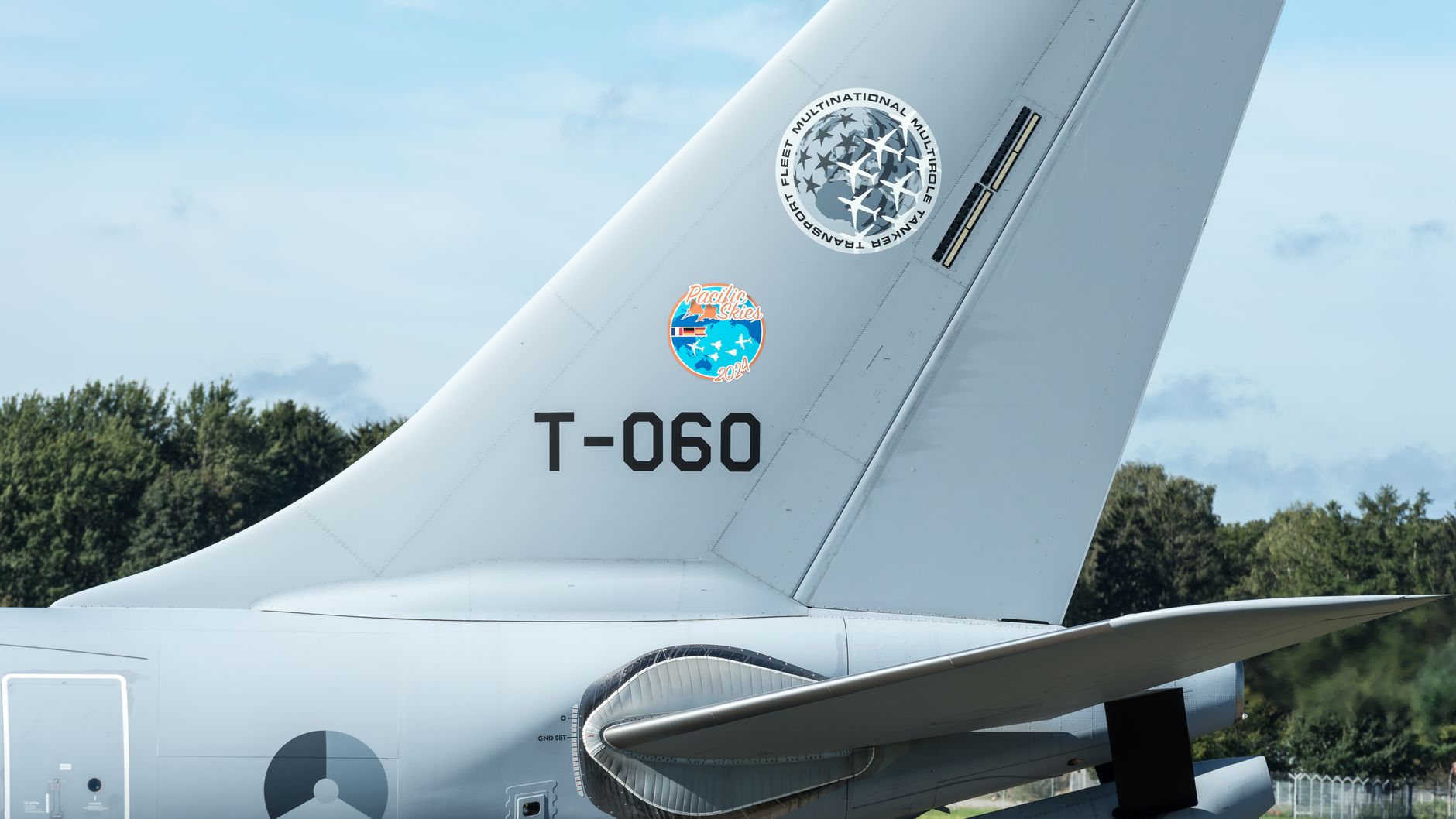
The multinational air exercise showcases the IAF’s significant role in international defense collaboration. This event, hosted in Jodhpur, brings together various nations to enhance strategic partnerships and operational capabilities.
Overview of the Multinational Air Exercise
The upcoming multinational air exercise hosted by the Indian Air Force (IAF) in Jodhpur represents a significant opportunity for international collaboration and skill enhancement among participating nations. Scheduled to commence this week, the exercise aims to bolster operational readiness and strengthen diplomatic ties through joint training missions.
With the involvement of various allied forces, the event is expected to focus on the following key areas:
- Enhancing interoperability: Participants will engage in scenarios that require seamless coordination between diverse air operations.
- Sharing best practices: Each air force will contribute its unique strategies and techniques, fostering a rich exchange of knowledge.
- Strengthening partnerships: The exercise will deepen military relationships among allies, promoting mutual trust and understanding.
As nations come together to participate in this multinational air exercise, the IAF aims to not only improve tactical capabilities but also to showcase unity in the face of evolving global challenges.
Participating Countries in the Exercise
The upcoming multinational air exercise hosted by the Indian Air Force (IAF) will see participation from a diverse group of countries, showcasing international cooperation in defense operations. The exercise aims to enhance operational readiness and foster strong partnerships among the air forces involved.
Countries expected to participate include:
- United States
- France
- United Kingdom
- Japan
- Australia
- Saudi Arabia
- Singapore
- South Korea
Each of these nations brings unique capabilities and experiences to the multinational air exercise, allowing for a rich exchange of knowledge and tactics. This collaboration not only strengthens diplomatic ties but also enhances collective security measures in the region, underlining the essential role of such exercises in modern military strategy.
Objectives of the IAF’s Initiative
The primary objective of the Indian Air Force’s (IAF) initiative to host the multinational air exercise is to enhance operational readiness and interoperability among participating nations. This exercise aims to achieve several key goals:
- Strengthening Alliances: By bringing together air forces from different countries, the IAF seeks to build stronger military partnerships and foster collaboration.
- Joint Tactical Training: The exercise provides an opportunity for aircrews to engage in joint training missions, enhancing their ability to operate seamlessly in coalition environments.
- Sharing Best Practices: Participating countries will benefit from exchanging knowledge and techniques related to air combat and logistics, ultimately improving each nation’s capabilities.
- Demonstrating Commitment: The IAF aims to showcase its commitment to regional security and stability through this multinational air exercise, reinforcing its role as a responsible global player.
In summary, the IAF’s initiative serves as a platform for fostering cooperation, enhancing skills, and solidifying alliances among air forces worldwide.
Historical Context of Air Exercises
The concept of multinational air exercises has evolved significantly over the past few decades, driven by the increasing need for collaborative defense strategies among allied nations. These exercises serve as a platform for participating countries to enhance their operational capabilities while fostering stronger military partnerships.
Historically, the roots of air exercises can be traced back to the Cold War era, when nations sought to strengthen their military readiness in response to evolving geopolitical threats. Since then, the frequency and complexity of these exercises have grown, reflecting advancements in technology and changes in global security dynamics.
Notably, the integration of various air forces during such exercises has proven beneficial in terms of interoperability. For instance, the upcoming multinational air exercise hosted by the Indian Air Force (IAF) in Jodhpur is expected to showcase the operational synergy between the IAF and its allies. This will allow for the sharing of best practices and the development of joint tactics, ultimately enhancing the collective defense posture of all participating nations.
Benefits of International Military Collaboration
The benefits of international military collaboration are evident in recent multinational air exercises, which significantly enhance operational effectiveness and interoperability among participating nations. These exercises provide a platform for the Indian Air Force (IAF) and its allies to share knowledge, strategies, and best practices, fostering a deeper understanding of diverse tactics and technologies.
Some key advantages include:
- Enhanced Training Opportunities: Participants engage in complex scenarios that improve their tactical skills and readiness.
- Strengthened Alliances: Collaborative efforts build trust and solidarity among nations, which is crucial in times of crisis.
- Resource Sharing: The exercise allows for pooling of resources, enabling countries to maximize their capabilities while reducing individual costs.
- Innovation and Adaptability: Exposure to different operational environments encourages innovative problem-solving and adaptability in real-time situations.
In summary, multinational air exercises offer profound benefits, bolstering the collective capabilities of the IAF and its partners, ultimately contributing to regional stability and security.
Public Engagement During the Event
As the multinational air exercise prepares to take off in Jodhpur, public engagement plays a vital role in showcasing the event’s significance. The Indian Air Force (IAF) has organized various activities aimed at involving local communities and fostering a sense of pride among citizens. These initiatives include:
- Open Days: Residents are invited to visit the airbase, where they can witness aircraft displays and meet personnel from participating nations.
- Workshops and Demonstrations: Educational sessions will be held in schools and community centers to inform the public about the benefits of international military collaboration.
- Social Media Campaigns: The IAF encourages citizens to share their experiences during the multinational air exercise, amplifying awareness and engagement.
- Community Events: Cultural programs featuring performances from various countries will highlight the spirit of cooperation and camaraderie.
These efforts not only enhance public understanding of the exercise but also strengthen ties between the military and the communities they serve.
Safety Measures Implemented
As the multinational air exercise approaches, organizers have prioritized safety measures to ensure the well-being of all participants. A comprehensive safety protocol has been developed, which outlines the necessary precautions and procedures to be followed throughout the event.
Key safety measures include:
- Pre-Flight Inspections: Rigorous checks on all aircraft will be conducted to identify any potential issues before takeoff.
- Emergency Response Plans: Each participating country has established detailed emergency response plans tailored to the specific risks associated with the exercise.
- Coordination Briefings: Daily briefings will ensure that all personnel are well-informed about the schedules and any changes to operations.
- Health Protocols: To mitigate health risks, strict hygiene measures and health monitoring will be implemented for all participants.
By implementing these safety measures, the multinational air exercise aims to promote not only effective collaboration among the IAF and allied forces but also to ensure a secure environment for all involved.
Future Prospects for Joint Exercises
The future prospects for joint exercises, such as the upcoming multinational air exercise, appear promising as nations increasingly recognize the value of collaborative training. These exercises not only enhance operational readiness but also foster stronger diplomatic ties among participating countries.
As global security challenges evolve, the importance of multinational air exercises will likely grow. Future endeavors may see expanded participation from countries beyond the current alliance, creating more diverse training environments and scenarios. This inclusivity can lead to a richer exchange of tactics and strategies, ultimately benefiting all forces involved.
Moreover, advancements in technology will play a crucial role in shaping these exercises. Innovations in simulation and real-time communication can enhance the effectiveness of joint missions. The integration of newer aircraft and systems will also allow forces to operate seamlessly together, further solidifying the advantages gained through international collaboration.
In conclusion, the future of multinational air exercises is bright, promising enhanced cooperation and improved defense capabilities for the IAF and its allies.
Photo by Wolfgang Weiser on Pexels

One thought on “Multinational Air Exercise: Proven Benefits for IAF and Allies”