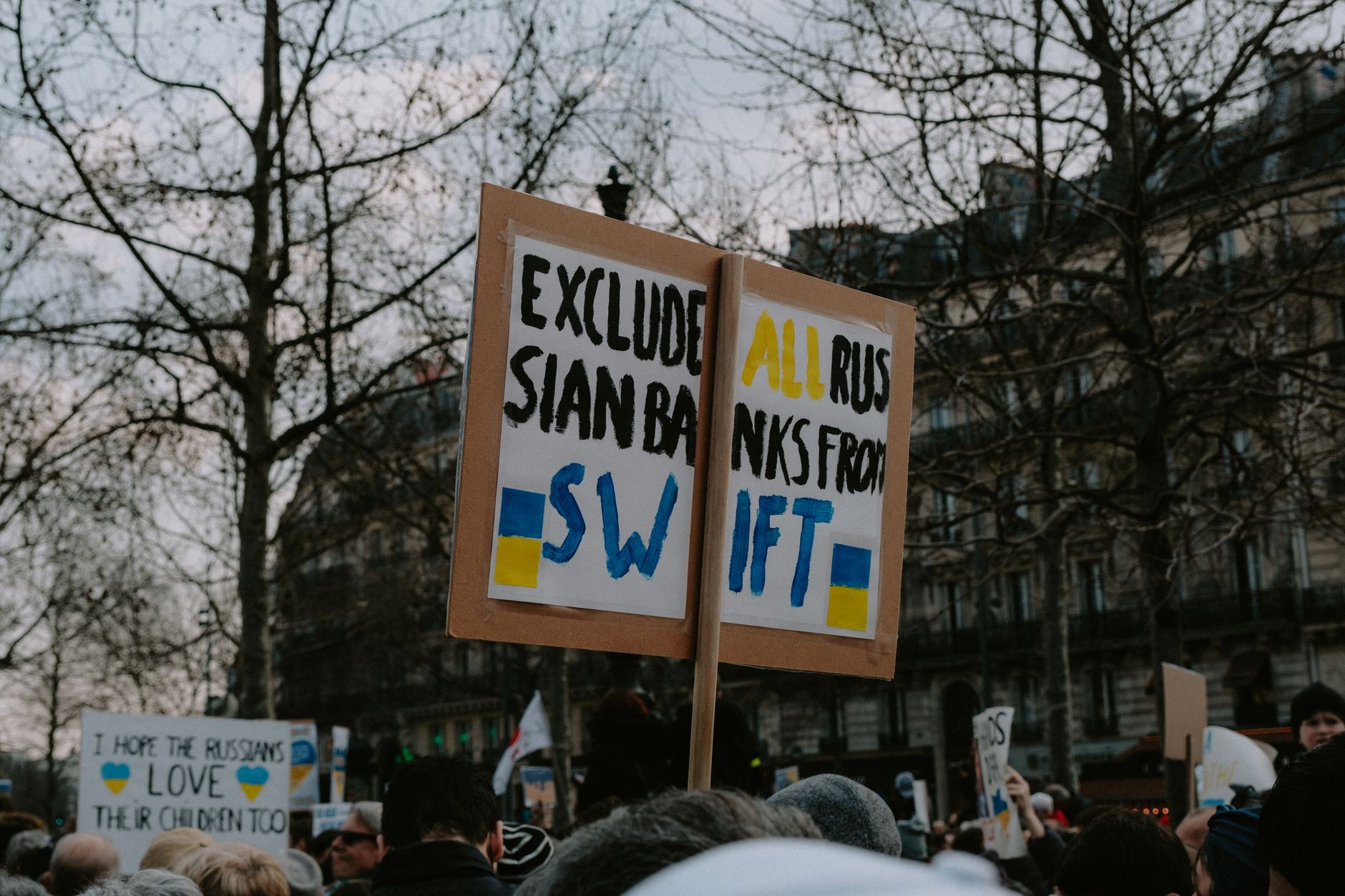
Russia oligarchs sanctions have been dropped by the E.U., prompting significant backlash from Kyiv and raising questions about European policies.
Background on E.U. sanctions
The European Union has faced significant criticism regarding its approach to sanctions on Russian oligarchs. Despite ongoing tensions and the ongoing conflict in Ukraine, the E.U. has opted to lift sanctions on two of the wealthiest individuals in Russia. This decision has raised eyebrows, particularly from Ukrainian officials who argue that it undermines the international response to Russian aggression.
Sanctions on Russia oligarchs have been viewed as a crucial tool in applying pressure on the Kremlin, aiming to destabilize the financial networks that support the regime. However, the recent rollback has led to concerns that the E.U. is wavering in its commitment to a unified front against Russia.
The implications of these sanctions are far-reaching, impacting not just political relations but also economic stability in the region. As the situation evolves, the effectiveness of the E.U.’s approach to sanctions will be closely scrutinized by both allies and adversaries.
Impact on Ukraine’s economy
The recent decision by the E.U. to drop sanctions on two of Russia’s richest oligarchs has raised concerns regarding the impact on Ukraine’s economy. Many experts believe that lifting these sanctions undermines the financial pressure intended to deter further aggression from Russia.
Ukraine, already grappling with the repercussions of the ongoing conflict, relies heavily on international support to stabilize its economy. The sanctions on Russia oligarchs were seen as a crucial step in limiting the resources available to the Kremlin.
With the removal of these restrictions, several potential risks arise:
- Increased Russian Influence: Without sanctions, oligarchs can bolster their investments and expand their reach in Ukraine.
- Market Instability: The sudden change may create uncertainty in Ukrainian markets.
- International Signals: This move could be interpreted as a lack of commitment to supporting Ukraine amidst its challenges.
Overall, this decision may complicate the E.U.’s stance on supporting Ukraine’s economic recovery.
Key figures among the oligarchs
Among the prominent figures affected by the recent sanctions are Roman Abramovich and Oleg Deripaska, both of whom have been pivotal in shaping the landscape of Russian wealth and power. These oligarchs have long been associated with the Kremlin, benefiting from close ties to President Vladimir Putin.
Despite the E.U.’s decision to drop sanctions on these two wealthy individuals, many experts argue that such moves undermine efforts to hold Russia accountable for its actions. The Russia oligarchs sanctions were initially aimed at crippling the financial networks that enable the Kremlin to wage war. However, the easing of these sanctions has raised concerns among Ukrainian officials and Western allies alike.
As the situation evolves, the implications of this decision will likely reverberate throughout Europe, possibly affecting diplomatic relations and the ongoing conflict in Ukraine.
Reactions from European leaders
Reactions from European leaders have been mixed following the controversial decision to drop sanctions on two of Russia’s richest oligarchs. Many officials express concern that this move undermines the E.U.’s commitment to supporting Ukraine in its ongoing conflict with Russia.
French President Emmanuel Macron emphasized that removing sanctions might send the wrong message to Moscow, suggesting that it could embolden the oligarchs and diminish the pressure on the Kremlin.
German Chancellor Olaf Scholz echoed these sentiments, stating that the E.U. must maintain a united front against Russian aggression, which includes holding accountable those who fund the regime.
In contrast, some leaders argue that engaging with certain oligarchs could pave the way for future negotiations, highlighting a need for balance in E.U. policy.
Ultimately, the debate underscores a growing divide within the E.U. regarding the effectiveness of sanctions on Russia’s oligarchs and their impact on the broader geopolitical landscape.
Future of E.U.-Russia relations
The future of E.U.-Russia relations remains uncertain as the bloc navigates the complexities of its sanctions policy against Russian oligarchs. The recent decision to drop sanctions on two of Russia’s wealthiest individuals has raised eyebrows and concerns among member states and analysts alike.
Many believe that such moves could undermine the E.U.’s stance on holding oligarchs accountable for their roles in supporting the Kremlin. The lifting of sanctions may signal a potential shift in strategy, prompting fears that it could embolden other oligarchs to defy international pressure.
As tensions continue to simmer, the E.U. faces a critical juncture:
- Will the bloc maintain a united front against Russia?
- How will these decisions affect relations with Ukraine?
- What implications will this have for global perceptions of E.U. policy?
These questions will shape the trajectory of E.U.-Russia relations in the coming months.
Public opinion on the decision
The recent decision by the E.U. to drop sanctions on two of Russia’s richest oligarchs has sparked significant debate among the public. Many citizens express concerns over the implications of such moves for international policy and the ongoing conflict in Ukraine.
In surveys conducted shortly after the announcement, a majority of respondents indicated that they believe sanctions against Russia oligarchs are essential for maintaining pressure on the Kremlin.
- Support for sanctions: 68% of those polled feel that maintaining sanctions is crucial for supporting Ukraine.
- Concerns over leniency: 74% expressed that dropping sanctions undermines E.U. credibility.
- Calls for accountability: Many citizens demand that oligarchs be held responsible for their actions.
This public sentiment highlights a growing frustration with E.U. policies perceived as contradictory or ineffective in addressing the crisis.
The recent discussions surrounding Russia oligarchs sanctions raise questions about their effectiveness in achieving political goals. Critics argue that these Russia oligarchs sanctions may inadvertently harm the European economy more than they do the targeted individuals.
Photo by Mathias Reding on Pexels

One thought on “Russia Oligarchs Sanctions: Wrong Move for E.U. Policy”