Pakistan leadership claim has been challenged by an ex-IMF Director, who provides a detailed fact-check on the assertions made about the country’s progress.
Understanding the Pakistan leadership claim
In recent discussions surrounding the Pakistan leadership claim, a notable statement emerged regarding the country’s economic achievements under its current administration. This assertion was met with skepticism from various economic experts, including a former director of the International Monetary Fund (IMF), who has taken it upon themselves to fact-check the so-called “historic milestone.”
The claim centers around the assertion that Pakistan has made significant strides in economic recovery and growth, despite ongoing challenges. However, experts argue that a deeper examination reveals a more complex picture. Key points of contention include:
- Debt Levels: Critics highlight that while some economic indicators may show improvement, the national debt continues to rise, raising concerns about sustainability.
- Inflation Rates: Rising inflation remains a pressing issue, impacting the purchasing power of ordinary citizens and undermining claims of economic success.
- Foreign Investment: The anticipated foreign investment influx has not materialized as expected, which calls into question the government’s narrative of economic stability.
As the debate continues, it is crucial for citizens and stakeholders to engage in informed discussions about the claims made by their leaders. An honest fact-checking process is essential for transparency and accountability in governance.
The role of the IMF in Pakistan
The recent claim of “historic milestones” by Pakistan’s leadership has drawn scrutiny, particularly regarding its connection to the International Monetary Fund (IMF). The role of the IMF in Pakistan’s economic landscape is crucial, as it influences the country’s fiscal policies and stability.
According to the ex-IMF Director, the narrative presented by the current leadership does not align with the realities of Pakistan’s economic situation. The fact-checking highlights several key points:
- Loan Agreements: The IMF has provided multiple bailout packages to Pakistan over the years, aiming to stabilize its economy and restore investor confidence.
- Economic Indicators: Despite claims of progress, unemployment rates and inflation are significantly impacting the average citizen, raising questions about the legitimacy of the leadership’s assertions.
- Policy Implementation: The effectiveness of reforms proposed by the IMF often hinges on the government’s commitment to implementing them, which has been inconsistent in the past.
- Public Perception: The leadership’s claims may not resonate with the public, who are facing daily economic challenges.
In conclusion, the IMF’s involvement in Pakistan’s economy remains a double-edged sword, with the current leadership’s claim requiring more robust evidence to substantiate its validity.
Fact-checking the historic milestone
The recent claim by Pakistan’s leadership regarding a historic milestone has sparked significant debate. To assess the validity of this assertion, a thorough fact-checking process is essential. This involves examining the context, data, and implications surrounding the claim.
Many analysts have pointed out that while the leadership may consider their achievements as groundbreaking, the reality is often more nuanced. The following points summarize key aspects of the fact-checking process:
- Economic Indicators: The leadership’s claim is primarily based on improvements in specific economic indicators. However, these metrics require context, as they may not reflect overall economic health.
- IMF Agreements: The role of the International Monetary Fund (IMF) cannot be overlooked. Previous agreements have shaped economic policies, and attributing success solely to current leadership may be misleading.
- Public Sentiment: Public opinion on these claims varies widely. While some view them as positive progress, others remain skeptical about the sustainability of such achievements.
The claims made by Pakistan’s leadership must be viewed critically, ensuring that any historic milestone is grounded in reality rather than political rhetoric. By engaging in honest fact-checking, stakeholders can better understand the implications of these assertions on both local and global stages.
Expert opinions on Pakistan’s progress
Experts have weighed in on the recent Pakistan leadership claim regarding the nation’s economic progress. Many analysts emphasize the importance of scrutinizing such assertions to ensure transparency and accountability.
Dr. Sarah Khan, an economist and former advisor at the World Bank, pointed out that while the leadership may highlight certain achievements, it is crucial to assess them against the backdrop of broader economic challenges. “Claims of success should be accompanied by data that reflects the realities faced by the populace,” she stated.
In a similar vein, Professor Amir Zafar, a political analyst, remarked on the significance of public trust in leadership. He noted, “The narrative presented by the government must be supported by tangible outcomes. Otherwise, it risks eroding confidence among citizens.”
Furthermore, international financial institutions have also expressed caution. A former IMF director recently commented on the leadership’s portrayal of milestones, suggesting that while progress may be evident in some sectors, it does not negate the pressing issues such as inflation and unemployment.
Ultimately, expert opinions converge on the idea that to truly assess Pakistan’s progress, a comprehensive approach must be adopted, one that includes honest evaluations of both achievements and ongoing challenges.
What the data says about Pakistan
Recent assessments of Pakistan’s leadership claim regarding its economic progress have sparked significant debate among experts and economists. Various data points provide insight into the country’s financial status and development trajectory.
According to the latest reports, the following aspects are essential in understanding Pakistan’s current economic landscape:
- GDP Growth Rate: The growth rate has fluctuated in recent years, raising questions about sustainability and long-term stability.
- Inflation Rates: Persistent inflation has impacted the purchasing power of citizens, with food prices being particularly volatile.
- Foreign Investment: Levels of foreign direct investment have seen inconsistent trends, which could influence future economic opportunities.
- Debt-to-GDP Ratio: The rising debt levels have led to concerns about fiscal responsibility and the implications for future generations.
In addition to these statistics, the leadership claim made by the current government has been met with skepticism by many analysts. They argue that while progress has been noted, the challenges facing Pakistan require a more nuanced understanding of the country’s economic health. The consistency of such claims against the backdrop of hard data remains a pivotal point for ongoing discussions regarding Pakistan’s leadership claim.
Implications for future leadership in Pakistan
The recent Pakistan leadership claim has sparked a heated debate regarding the future trajectory of the country’s governance. As the political landscape evolves, several implications arise for the integrity and effectiveness of leadership in Pakistan.
First, there is a pressing need for transparency and accountability within the government. Citizens are increasingly aware of the importance of verified information, particularly regarding economic milestones. This trend may encourage future leaders to prioritize factual communication to maintain public trust.
Second, the emphasis on fact-checking by experts such as former IMF directors highlights the importance of informed leadership. Future leaders may be compelled to engage with economic realities rather than relying on rhetoric, thus fostering a more pragmatic approach to governance.
Additionally, the international community is paying closer attention to Pakistan’s claims. Diplomatic relations may hinge on the authenticity of leadership assertions, which could affect foreign investment and aid. A failure to uphold integrity could lead to increased scrutiny and skepticism from global partners.
In conclusion, the implications of the Pakistan leadership claim extend beyond mere political rhetoric. They may shape a new standard for leadership that values honesty and fact-based governance, ultimately influencing the nation’s prospects for stability and growth.
The recent discussion surrounding the Pakistan leadership claim has sparked debates on the accuracy of historical milestones. Critics argue that a thorough examination is essential to validate the Pakistan leadership claim and ensure transparency.
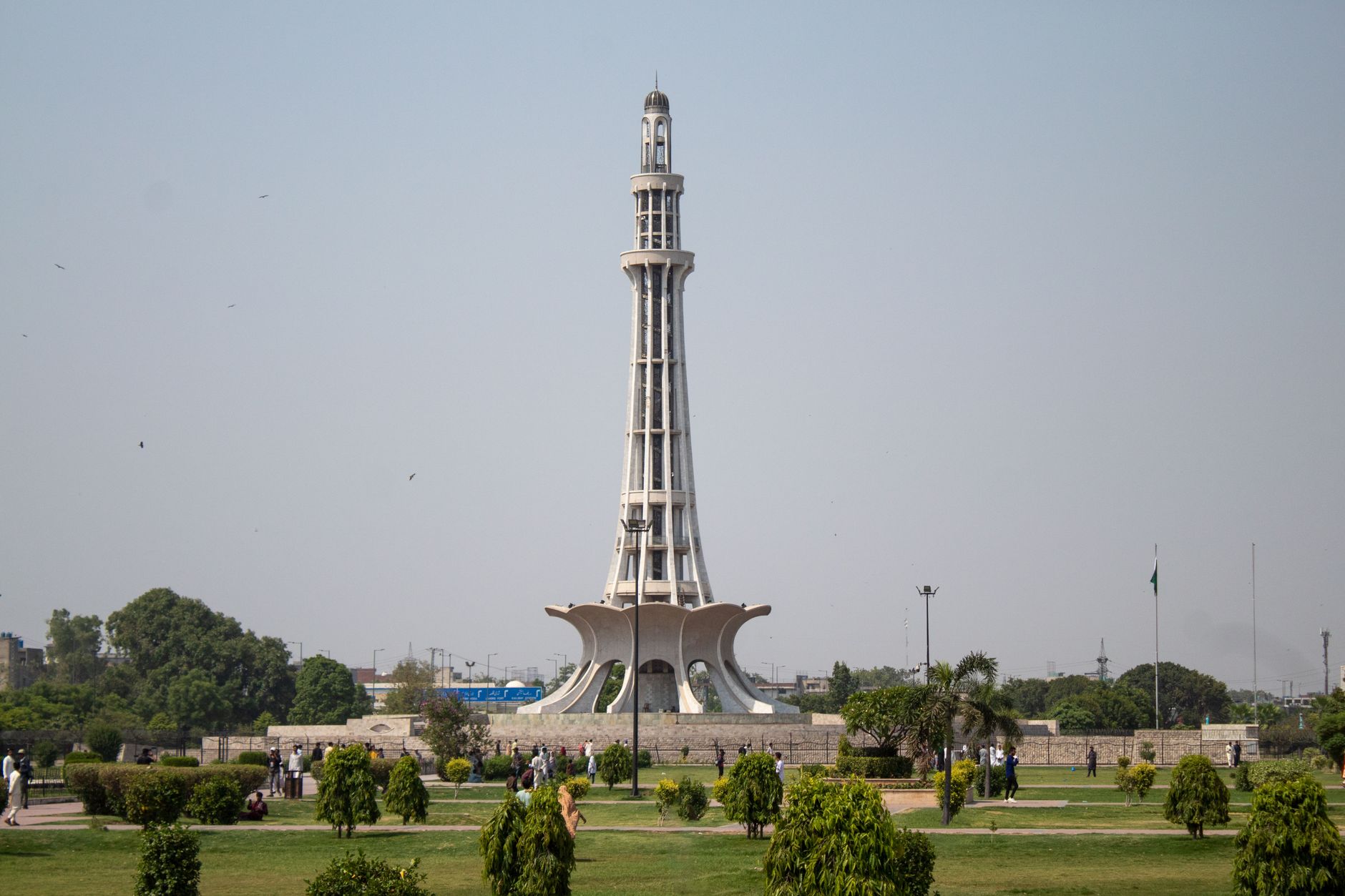
Photo by Aatik Ali Makani on Pexels


One thought on “Pakistan leadership claim: Honest fact-checking of milestone”