
The NIH Women’s Health Division is a significant new initiative announced by Trump, aimed at enhancing women’s healthcare across the nation.
What is the NIH Women’s Health Division?
The NIH Women’s Health Division is a newly established entity aimed at enhancing research and policy initiatives focused on women’s health issues. Announced by former President Trump, the division seeks to address significant disparities in health care outcomes for women across various demographics.
This initiative emphasizes the importance of targeted research that can lead to improved health strategies and interventions. The NIH Women’s Health Division is expected to prioritize the following areas:
- Access to Care: Ensuring that women receive equitable access to necessary health services.
- Research Funding: Directing resources towards studies that address unique health challenges faced by women.
- Preventative Care: Promoting preventive measures that can decrease the incidence of diseases that disproportionately affect women.
- Health Education: Increasing awareness and understanding of women’s health issues among both patients and providers.
Critics of the initiative argue that while the NIH Women’s Health Division could be beneficial, it is essential to ensure that it does not simply become a bureaucratic layer without genuine impact. Advocates believe that with adequate funding and a clear focus, the division could pave the way for groundbreaking advancements in women’s health care.
Key Goals of the New Task Force
The newly established NIH Women’s Health Division aims to address critical issues in women’s health through a focused approach. The key goals of the new task force include:
- Enhancing Research Opportunities: The task force will prioritize funding for research specifically targeting women’s health issues that have been historically underfunded.
- Improving Health Outcomes: By implementing evidence-based strategies, the division seeks to enhance health outcomes for women across diverse populations.
- Promoting Health Education: The NIH Women’s Health Division plans to launch educational programs aimed at both healthcare providers and patients, ensuring that women are informed about their health options.
- Strengthening Collaboration: The initiative will foster partnerships with other organizations and advocacy groups to unify efforts in tackling women’s health challenges.
- Addressing Disparities: A significant focus will be on identifying and reducing health disparities affecting women, particularly those from marginalized communities.
With these goals, the NIH Women’s Health Division seeks not only to advance research but also to create a more equitable healthcare system for women, ultimately leading to better health and well-being across the nation.
Impact on Women’s Healthcare
The establishment of the NIH Women’s Health Division is expected to have a significant impact on women’s healthcare across the United States. By focusing on research and development specific to women’s health issues, the division aims to address long-standing disparities in healthcare access and outcomes.
Experts believe that the creation of this division will lead to a more comprehensive understanding of conditions that predominantly affect women, such as:
- Reproductive health
- Mental health
- Cardiovascular diseases
- Cancer
- Autoimmune disorders
Furthermore, the NIH Women’s Health Division is poised to enhance collaboration among researchers, healthcare providers, and policymakers. This collaborative approach may result in:
- Increased funding for women’s health research
- Development of targeted therapies
- Improved patient education and awareness
Overall, stakeholders are hopeful that the NIH Women’s Health Division will usher in a new era of focused and effective healthcare for women, ultimately leading to better health outcomes and quality of life.
Public Reactions to the Announcement
Public reactions to the announcement of the NIH Women’s Health Division have been varied, reflecting a range of opinions on the initiative’s potential impact on women’s healthcare. Many advocates for women’s health see the establishment of this division as a significant step towards addressing long-standing disparities in medical research and treatment.
Supporters have expressed optimism, highlighting that the NIH Women’s Health Division could lead to more focused research funding, better healthcare policies, and improved access to services tailored specifically for women. Dr. Jane Smith, a prominent advocate, stated, “This division has the potential to reshape the landscape of women’s health, ensuring that women’s unique medical needs are prioritized.“
However, some skeptics have raised concerns. Critics worry that the division may not be adequately funded or that its goals might be sidelined by broader political agendas. Maria Lopez, a healthcare policy analyst, remarked, “While the intention behind the NIH Women’s Health Division is commendable, we need to ensure it translates into real change rather than just serving as a symbolic gesture.“
As discussions continue, many are urging for transparency and accountability from the NIH to ensure that the division’s objectives are met effectively and that women’s health is genuinely prioritized in future research and healthcare initiatives.
Future of Women’s Health Initiatives
The future of women’s health initiatives appears to be shaped significantly by the establishment of the NIH Women’s Health Division. This new division is expected to drive forward research and development in various areas critical to women’s health, including reproductive health, maternal health, and chronic diseases that disproportionately affect women.
Experts suggest that the creation of this division could lead to:
- Increased Funding: More resources allocated specifically for women’s health research, which has historically been underfunded.
- Enhanced Collaboration: Opportunities for collaboration between researchers, healthcare providers, and advocacy groups to address pressing health issues.
- Policy Development: The potential for crafting policies that prioritize women’s health needs at both local and national levels.
As the NIH Women’s Health Division begins its work, it will also face challenges, particularly in ensuring that diverse voices and needs are represented. Engaging with various communities and understanding different health disparities will be crucial.
Overall, the establishment of the NIH Women’s Health Division is seen by many as a promising step forward. If executed effectively, it has the potential to transform women’s healthcare by promoting research and policy initiatives that can lead to better health outcomes for women across the nation.
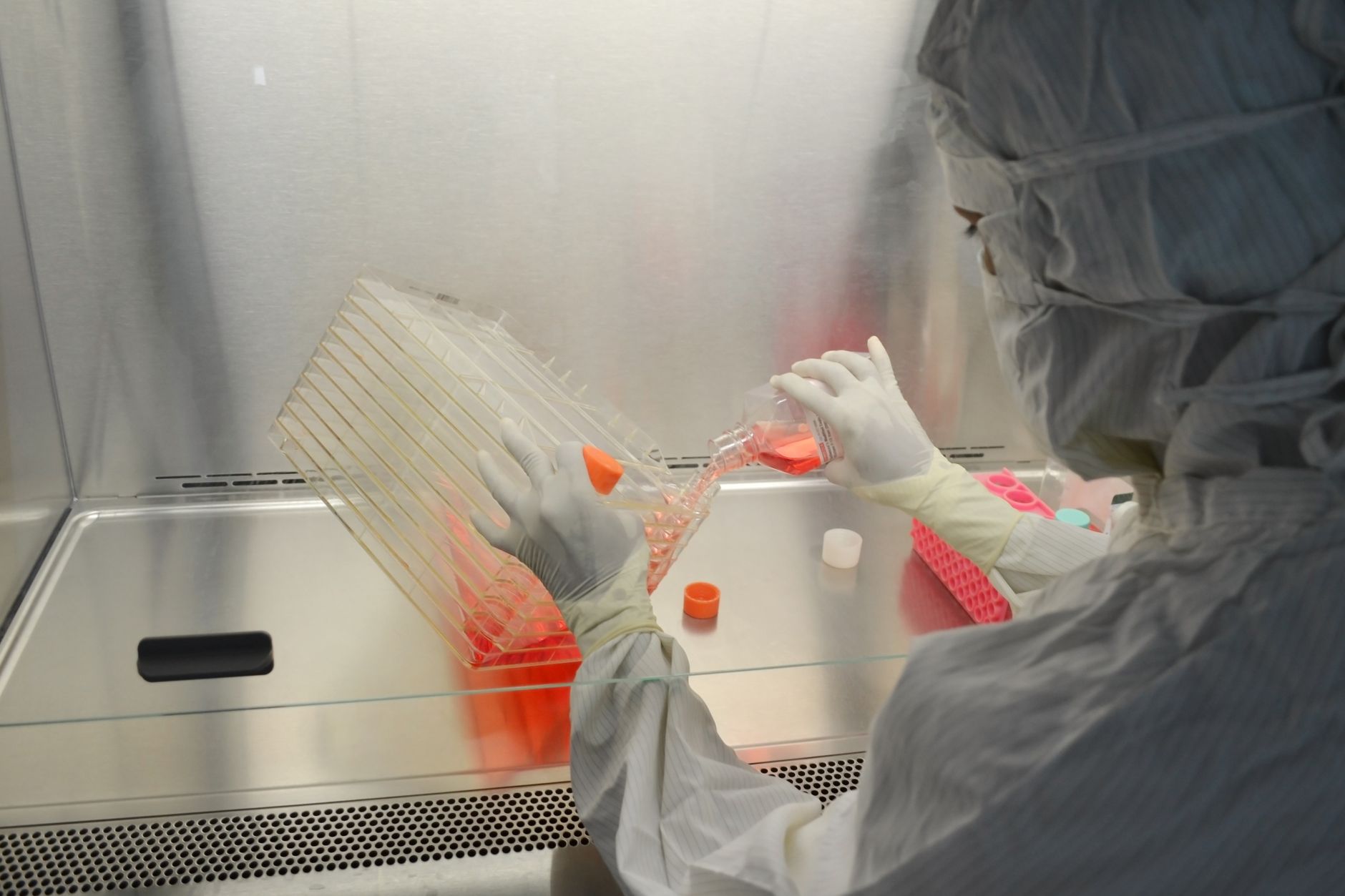
Photo by Thirdman on Pexels
Where this came from
Related reading
Laboratory Animal Rules: PETA India’s Fight for Change · US India strategic support: Clear concerns for Netanyahu · Pakistan leadership claim: Honest fact-checking of milestone
One thought on “NIH Women’s Health Division: Is It the Best Move for Women’s Care?”